Local Materials for Fuller Flower Arrangements
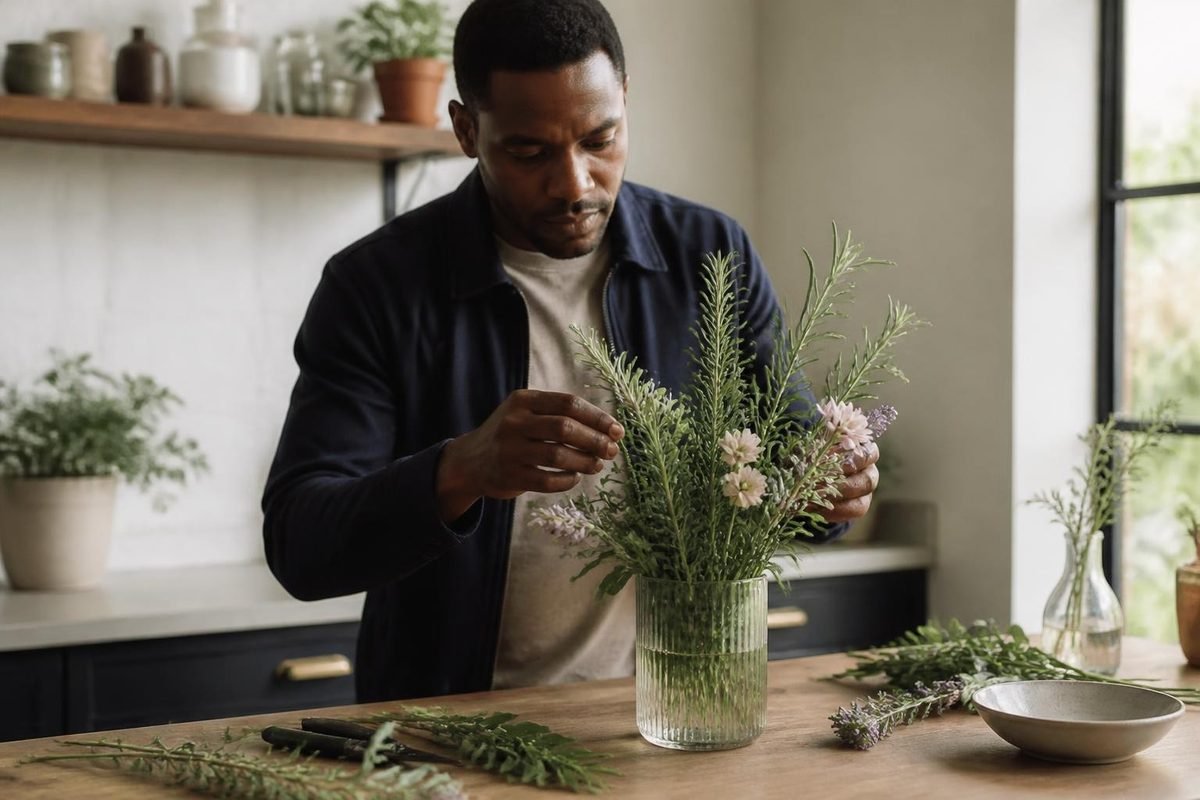
Garden cuttings, herbs, branches and dried stems can take the place of imported greenery in many flower arrangements. Choose a substitute to suit the season, the design and the length of time you need it to stay fresh.
Gather leaves from nearby gardens and growers
Ask local flower growers which leafy or branching plants they harvest alongside their blooms. What is available will depend on the region and season, but could include flowering shrubs, ornamental grasses and leafy branches. Prunings from a garden can work too, as long as you know what the plant is and confirm it has not been treated with a chemical unsuitable for handling.
Look for sturdy stems with healthy leaves, rather than material showing disease or insect damage. If you can, collect a mix of shapes: broad leaves might frame the flowers, while finer foliage can fill the small gaps. Locally grown stems travel through a shorter supply chain, but their overall environmental impact also depends on the way they were cultivated and transported.
Bring herbs into the design
For a small arrangement, rosemary, sage and mint can provide useful greenery. Rosemary has slim leaves on woody stems; sage brings wider, soft leaves. Mint smells fresh, though its tender stems may droop soon after cutting.
Herbs suit low table arrangements, where a compact vase keeps them close at hand. Do not use them with food unless they were grown and handled for eating. Before placing them in water, remove leaves that would sit below the surface, and start with a clean vase to help the water stay clear.
Shape arrangements with seasonal branches
Branches from nearby sources can add height and a clear outline without imported leaves. Depending on the season, willow, fruit trees or other garden prunings may be available. Leafless twigs can also be useful: they create an airy shape when you want an open arrangement rather than a dense leafy backdrop.
Get permission before cutting, and do not take branches from protected plants or habitats. Choose a sharp tool appropriate for the stem, then put fresh cuts into water soon after trimming. For weighty branches, use a vase that will remain steady and not tip over.
Use varied textures in place of leaves
Leaves are not the only way to fill out a bouquet. Grasses, seed heads and small locally grown flowers can bring movement and cover spaces between larger blooms. They usually create a lighter look than a thick ring of foliage, so start with a few stems and add others only if the arrangement needs them.
Dried stems can be brought back into designs that do not require water. Keep them in a dry place and handle them carefully because they can become brittle. Before reusing stored stems, check for mold or insects.
Common questions about choosing local greenery
Is it always suitable to gather foliage outdoors?
No. First identify the plant, ask permission and check the local rules on cutting. Leave plants in place if taking material could damage wildlife or reduce the plant population.
What helps cut foliage last?
Use clean cutting tools and vases, clear leaves from below the waterline and change the water regularly. Vase life varies between plants, so try unfamiliar stems before relying on them for an event.
Can I arrange with any plant from my garden?
No. Some plants have toxic leaves or berries, irritating sap or sharp parts. Check each plant’s identity and handling risks, particularly if children or pets may be nearby.
For more detail, see Austrian business gift etiquette